
How High-Performance Insulation Improves Energy Efficiency in Buildings
Fragile products require special care during storage, handling, and transportation. Even minor impacts, vibrations, or pressure can cause scratches, cracks, dents, or complete product damage if the right packaging material is not used.
Selecting suitable protective packaging is essential for ensuring product safety, minimizing losses, and maintaining customer satisfaction. Businesses across industries rely on durable and reliable packaging materials to protect delicate products throughout the supply chain.
Why Proper Packaging Matters for Fragile Products
Fragile items are more vulnerable to damage during:
- Transportation
- Warehouse handling
- Loading and unloading
- Long-distance shipping
- Stacking and storage
Poor packaging can lead to:
- Product breakage
- Increased return rates
- Financial losses
- Damaged brand reputation
- Customer dissatisfaction
The right packaging material helps reduce these risks significantly.
Factors to Consider While Choosing Packaging Material
1. Product Sensitivity
The level of fragility determines the type of protection required. Products such as glass items, electronics, medical equipment, and decorative products require enhanced cushioning and impact resistance.
Understanding product weight, shape, and sensitivity is the first step in selecting suitable packaging.
2. Shock Absorption Capability
Protective packaging should be able to absorb shocks and vibrations during transportation.
Foam-based packaging materials are highly effective because they:
- Reduce impact force
- Prevent sudden movement
- Provide cushioning protection
- Minimize breakage risks
This makes them ideal for delicate and high-value products.
3. Surface Protection
Fragile products often require protection from scratches, abrasions, and friction during handling and storage.
Foam sheets and protective wraps create a soft barrier around products, helping maintain their finish and appearance.
4. Lightweight & Durable Material
Packaging should provide maximum protection without adding unnecessary shipping weight.
Lightweight materials help:
- Reduce transportation costs
- Improve handling efficiency
- Lower logistics expenses
At the same time, durability ensures products remain protected throughout the supply chain.
5. Moisture & Environmental Resistance
Products can be exposed to moisture, dust, and temperature changes during transportation.
Choosing packaging materials with moisture resistance and insulation properties helps preserve product quality and prevent environmental damage.
Why Foam Packaging Is Preferred for Fragile Products
Foam packaging is widely used because it combines flexibility, durability, and superior protection.
Key Advantages:
- Excellent cushioning and impact resistance
- Lightweight and cost-effective
- Flexible for various product shapes
- Prevents scratches and surface damage
- Suitable for industrial and commercial use
- Easy to handle and customize
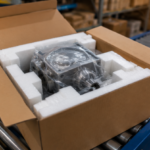
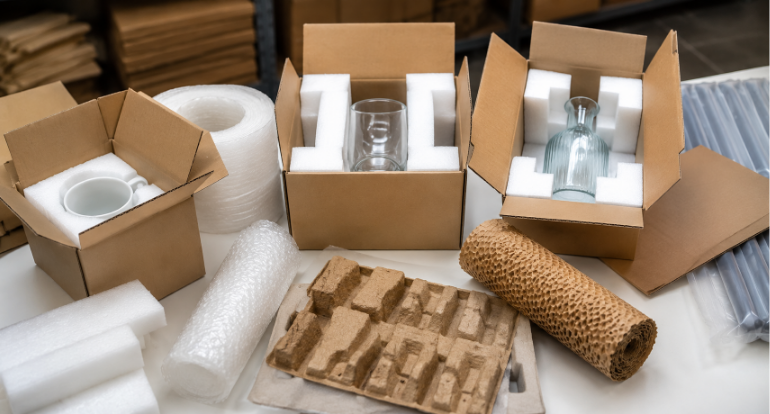
Foam sheets, rolls, and inserts are commonly used for packaging:
- Electronics
- Glass products
- Automotive components
- Furniture
- Appliances
- Industrial equipment
Common Types of Protective Packaging Materials
Foam Sheets
Ideal for wrapping and surface protection.
Foam Rolls
Suitable for large-scale packaging and cushioning applications.
Bubble Packaging
Provides lightweight cushioning for delicate products.
Corrugated Packaging
Used for structural strength and outer protection.
Custom Foam Inserts
Designed for high-value and sensitive products requiring precise fitting.
Benefits of Using the Right Packaging Material
Choosing proper packaging solutions offers several business advantages:
- Reduced product damage
- Lower replacement costs
- Improved customer satisfaction
- Better storage efficiency
- Enhanced brand reliability
- Safer transportation operations
Reliable packaging not only protects products but also strengthens business reputation and customer trust.